You Just Won a Major Grant, Now What? Structuring Your Nonprofit’s First Website
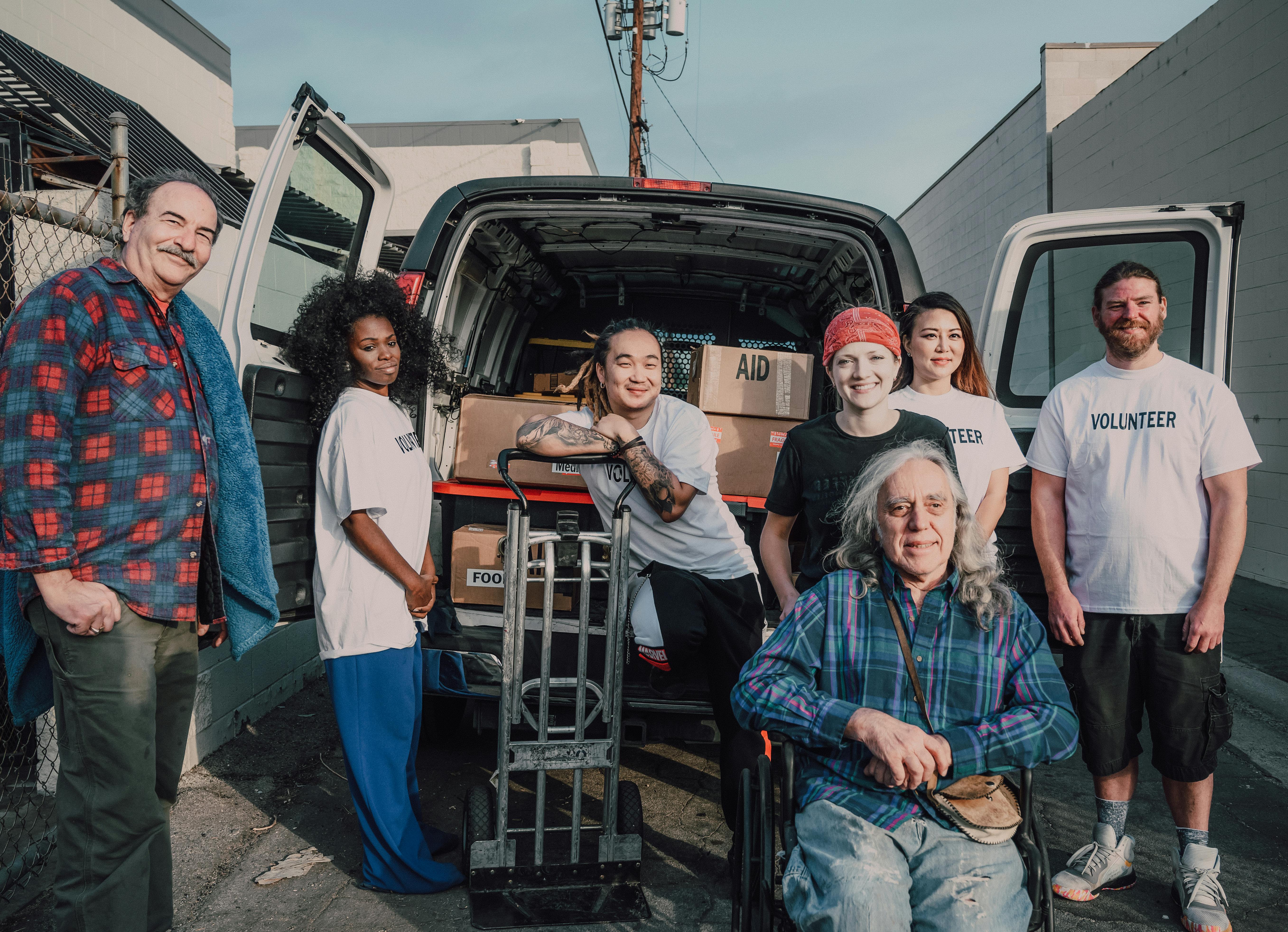
Congratulations! Your hard work and dedication have finally paid off, and you just won a major grant. As you stare in disbelief and awe at the letter of decision, it slowly dawns on you what this big win means: by being put on the map, you now need to prove your organization’s worth to the public and grantors. You need to ditch that website your brother-in-law patched together using AI and professionalize your online presence.
Or do you?
Before you jump ahead and begin a web designer search, here are four things you absolutely need to know about owning a website that works.
A nonprofit website is an operational tool, not an art project.
Winning a grant means your organization has shown promise that it can confidently make the shift from an amateur passion project into a well-managed entity with transparency, procedures, and clearly defined roles. Just like every staff member you hire solves a specific operational problem for you, so should your website. Because you invest money into a website, you won’t know your return on investment without a clearly defined purpose and a measure of success.
Consider the single biggest bottleneck your organization faces right now.
Is it processing donations manually? A lack of volunteers? Is it answering the exact same questions over the phone ten times a day because your patrons don’t know how exactly your programs work? Let your biggest operational headache dictate the main goal of the site.
But don’t most nonprofit websites have the same goals? Collect donations, summarize programs, and offer a contact form? Yes and no. While most sites include these functionalities, they are not all structured to actually convert visitors into donors or volunteers. Determining the main purpose of your website immediately helps you visualize your target audience and dictates your copy, the information you provide, and even the imagery you pick.
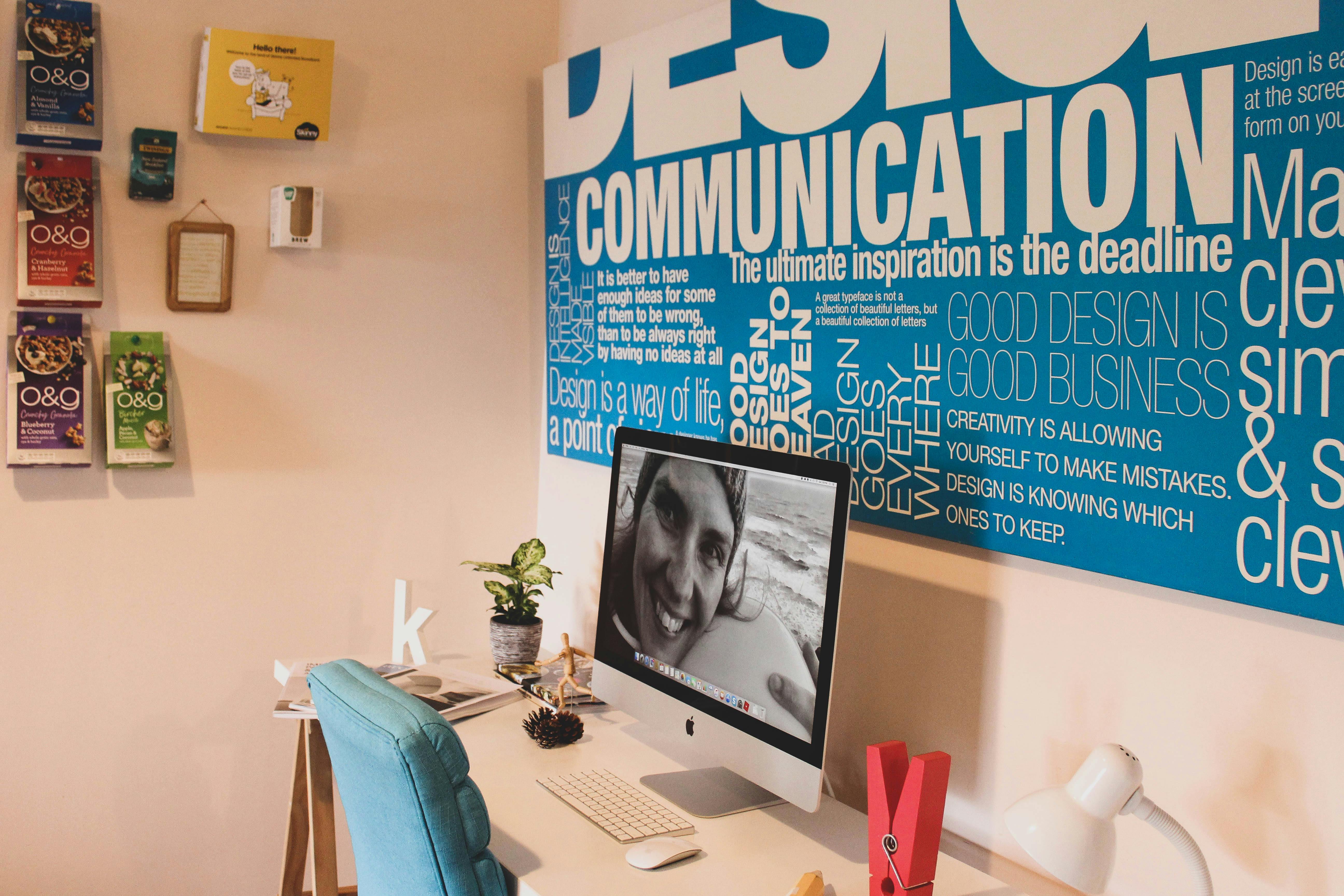
Less is more in design.
When people are proud of the work they do (as is common in the nonprofit sector) they love to talk about it. As a result, self-designed (or amateur-designed) websites simply involve too many pages, too much context, and too many different impact metrics. If a website is built by a developer rather than a strategic designer, the client receives little push-back, and everything proposed goes onto the site.
The problem with this approach is that clutter distracts, overwhelms, and disengages visitors from the main action we want them to take. Design is an elevated form of communication that seeks to direct attention, so precision with just enough context is key. You do not want to let your website turn into a kitchen sink.
How should this principle shape your decision-making?
Audit your internal capacity: Be brutally honest. If you do not have a dedicated staff member to write weekly updates, do not include a blog or complex CMS. So many nonprofits have a "News" page where the last update was from 2021, which instantly makes the organization look inactive. The MVP (Minimum Viable Presence) for most nonprofits is simply: Home, About Us, Our Impact/Services, and a frictionless "Donate" or "Contact" integration.
Keep copy concise: The gold standard for web design copy is to never exceed two short paragraphs in a website section. People skim and scan digital content rather than reading it from cover to cover.
Budget for total cost of ownership, not just the launch.
When you are holding new grant money, it is incredibly tempting to protect those funds by going with the absolute cheapest option for a website build. But in web design, “cheap” usually comes with a very expensive, hidden price tag.
When budgeting for a new website, you have to look past the initial launch fee and calculate the Total Cost of Ownership (TCO).
There are two major financial traps newly funded nonprofits fall into:
The $15/month Illusion: You might find a developer on a global marketplace willing to build your site for $500 on a clunky, outdated platform with dirt-cheap monthly hosting. It sounds like a financial win—until a backend plugin updates, your donation page crashes right before a fundraising drive, and you are forced to hire a developer at $150 an hour just to untangle the code and get you back online.
The Agency Retainer Trap: On the other end of the spectrum, traditional agencies will build you a beautiful site, but they often lock you into $300 to $500 monthly "maintenance retainers." They do this because the site is too complex for your staff to manage, meaning you have to pay them every time you want to change a photo or update a staff bio.
The Solution is shifting your mindset from "cheap hosting" to "empowered ownership."
The most cost-effective strategy for a growth-stage nonprofit is to invest your grant money upfront in a strategic, custom design built on a modern, visual platform (like Framer or Squarespace). While the monthly hosting platform fee might be slightly higher (around $20 to $40 a month rather than $15) it completely eliminates the need for a developer retainer. Your internal team will actually be able to log in, launch campaigns, and update text as easily as editing a Word document, keeping your digital presence dynamic without the ongoing agency price tag.
Ready to put your grant to work?
Winning a grant is a massive milestone. It proves that your community believes in your mission. Now, it is time to build a digital home that reflects that same level of professionalism and trust.
If your organization is ready to translate this momentum into an accessible, high-performing website that your team can actually manage, let’s connect. I help nonprofits and community initiatives build strategic digital spaces that expand reach and inspire action, without the endless retainer fees.